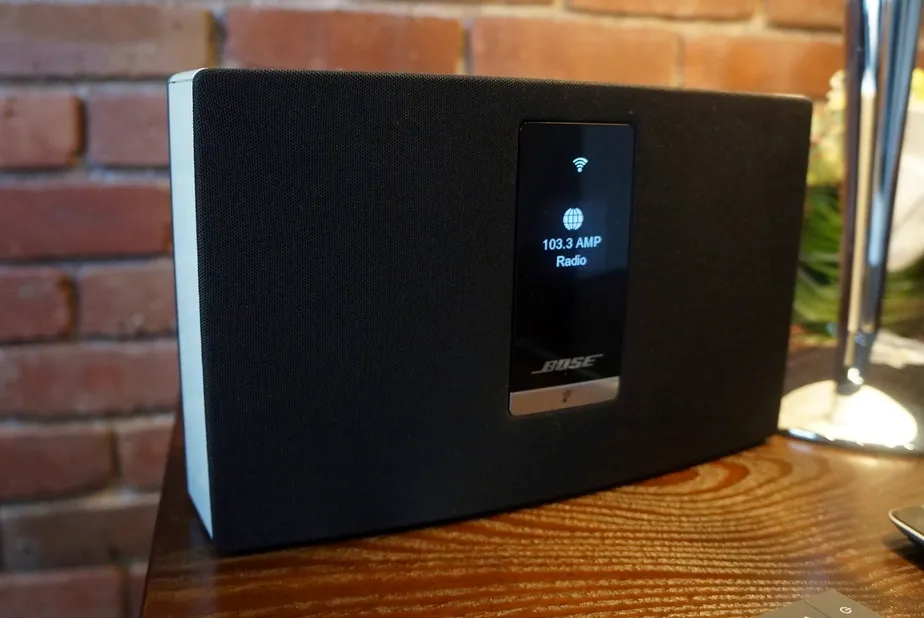
Bose has made a surprising move by announcing it will gift its soon-to-be-discontinued line of SoundTouch speakers to the open-source community. This decision will allow third-party developers and tech enthusiasts to pick up the responsibility of maintaining and innovating on the devices, keeping them functional even after Bose stops supporting them.
End of Support and New Opportunities for Developers
The audio company will officially cease updates for the SoundTouch speakers on May 6, 2026, slightly extending the original end-of-life date from February 18. Support will end with an app update that removes cloud functionality, but the company assures users that several features will continue to work. Music streaming via Bluetooth, AirPlay, Spotify Connect, and AUX will remain, along with remote control functions and speaker grouping, which were initially uncertain.
What’s Changing?
Not everything will be carried over into the future. The SoundTouch app will no longer support music playback, and preset buttons will stop functioning. Despite these limitations, Bose has released API documentation for independent developers to build their own tools and features to keep the devices alive and improve their functionality.
“We’re making our technical specifications available so that independent developers can create their own SoundTouch-compatible tools and features,” said Bose in its support update.
Reversal of Fate for SoundTouch Users
This shift has been met with some relief from SoundTouch owners, many of whom had spent up to £500 on these speakers after their launch in 2013. Initially, Bose’s announcement that it would cease offering even simple bug fixes sparked outrage, with many customers vowing never to buy from the company again. However, the open-source gesture has restored some respectability to Bose’s reputation, offering users the chance to continue using their devices.
A user on Reddit commented, “Kudos to them on the open sourcing. That’s a real investment to prepare an SDK for public release. I’m excited to see what cool features the community cooks up, especially now that vibe-coding is actually viable.”
What’s Next for SoundTouch Devices?
Thanks to this open-source move, the SoundTouch speaker line will likely find new life through community-driven projects. Developers can now create custom features and apps, potentially expanding the functionality of these devices beyond what Bose originally offered.
While the official end-of-life is still approaching, this gesture helps Bose maintain a presence in the hearts of users who were initially frustrated by the discontinuation. It also presents an interesting opportunity for developers to take these speakers in new, exciting directions.