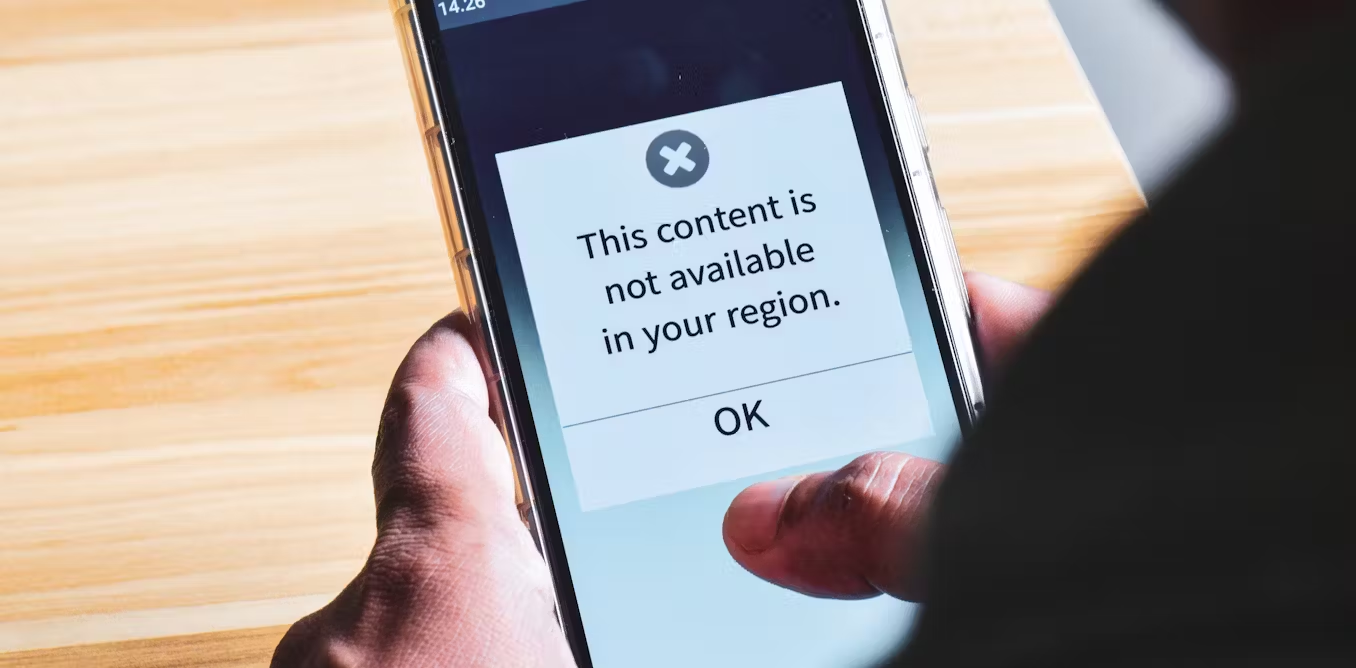
“This video is not available in your location.” If you’ve tried to access global content, you’ve likely seen this message. But beyond the irritation lies a deeper issue—how do we cross digital borders safely and ethically using VPNs in 2025?
As more of our daily lives move online, so does our desire for unrestricted access. You might want to watch the latest streaming series, catch a live international sports event, or log into your company’s network securely while abroad. Whatever the reason, VPNs have emerged as a go-to tool.
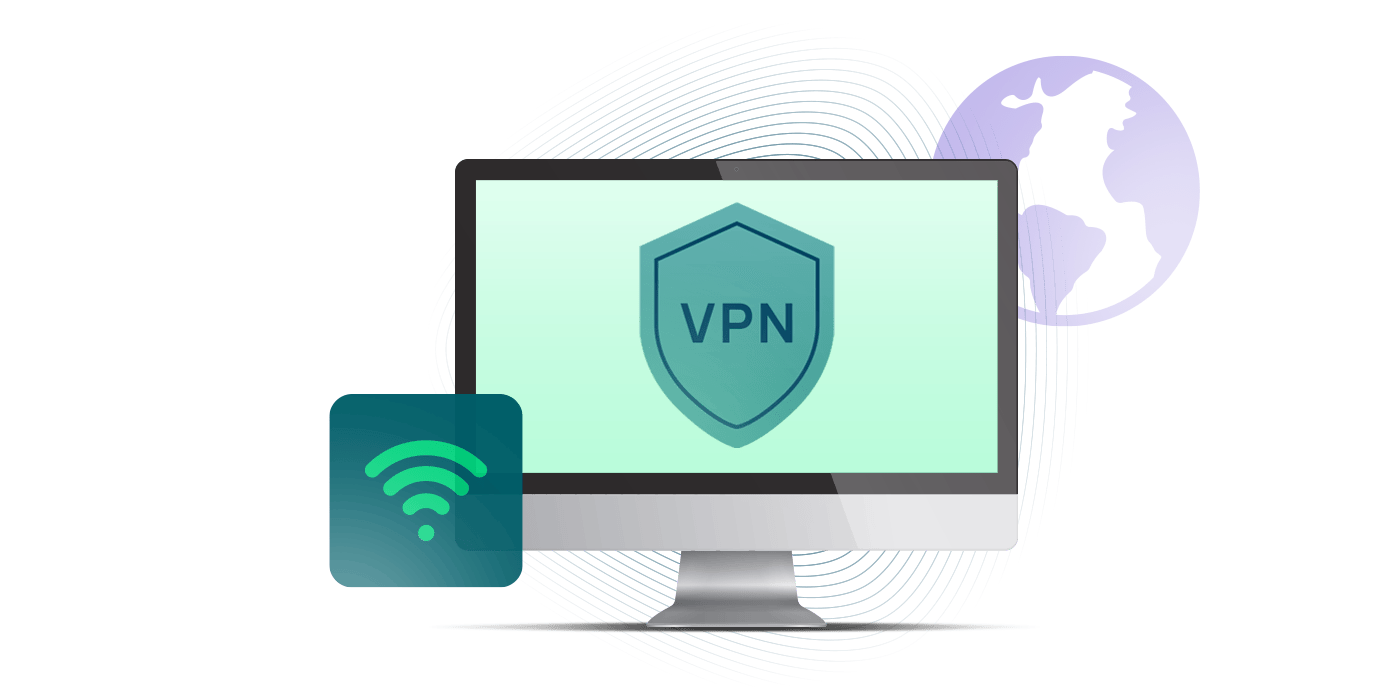
A virtual private network (VPN) creates a secure, encrypted tunnel between your device and the internet. It hides your real IP address and reroutes your data through a remote server. Essentially, websites see your traffic as if it originated from the server—not your device.
Picture it like this: instead of sending a postcard with your home address, you seal it in an envelope and send it to a friend abroad, who then forwards it. Anyone inspecting the envelope would assume the message came from your friend, not you.
Because of this, VPNs hide your identity, shield your data from snoopers, and bypass geo-restrictions. While originally built for privacy, their popularity has grown for a different reason: access.
People today use VPNs for more than security. They unlock geo-blocked media, protect internet traffic from trackers, and secure remote work connections—especially when handling sensitive data. The convenience is hard to ignore.
So, are VPNs legal?
In most countries, including Australia, the answer is yes. However, using a VPN to commit illegal acts remains unlawful. This creates a legal grey zone. For example, streaming foreign content through a VPN may violate a platform’s terms of service, even if it’s not criminal.
Australian law doesn’t outlaw accessing geo-blocked content. Yet, copyright laws prohibit circumventing certain “technological protection measures.” Enforcement, however, is rare for casual viewers. Authorities have mainly focused on those distributing or enabling mass copyright infringement.
That said, not all VPNs are equal. Premium services like NordVPN, ExpressVPN, ProtonVPN, and Surfshark emphasize security and transparency. Free VPNs, however, come with serious risks. Many collect and sell user data—the very thing you might want to protect.
Using an unsafe VPN is like trusting a bodyguard who secretly reports your every move. It might feel secure, but in reality, your data could be more exposed than before.
So, how do you choose a trustworthy VPN? Here are five features to look for:
1. No-log policy
A true no-log VPN doesn’t store records of your activity, IP address, or session times. This means even if compelled by law, there’s nothing for them to hand over.
2. Strong encryption
Look for AES 256-bit encryption—the same standard used by banks and government agencies. This protects your data from being intercepted, especially on public Wi-Fi.
3. Independent audits
Top VPNs undergo third-party audits to verify their privacy policies and software security. This transparency builds trust.
4. Kill switch
If your VPN drops, a kill switch stops all internet traffic instantly. This prevents accidental exposure of your IP address.
5. Jurisdiction
Where a VPN company is based affects what laws it must follow. Providers located in countries like the U.S., U.K., Australia, or other “Five Eyes” nations may be legally forced to share data. But with a no-log policy, even these requests are ineffective.
In 2025, where surveillance, data harvesting, and cyberattacks are more widespread than ever, VPNs offer a practical solution for personal privacy. However, just like any tool, their value depends on how they’re used.
So, the next time you switch on your VPN, ask yourself: Are you breaking through a border to binge-watch something early—or are you actively protecting your digital freedom?
READ: Best Linux VPNs 2025 for Privacy, Speed, and Streaming